Quick Answer
A legal wedding in Bali must follow the applicable Indonesian religious and registration process, as well as any requirements that apply to each person. A symbolic ceremony can include vows, rings and a celebrant, but it does not create a legal marriage. Many international couples complete the legal marriage in their home jurisdiction and hold the personal celebration in Bali. Confirm the right route with your embassy or consulate and the relevant Indonesian registration authority before paying non-refundable deposits.
What is the difference between a legal and symbolic wedding in Bali?
A legal wedding changes your marital status. In Indonesia, Article 2 of the Marriage Law connects validity to the parties’ religion or belief and requires marriages to be recorded under the applicable regulations. The ceremony and registration steps therefore cannot be treated as an ordinary venue add-on.
A symbolic wedding is ceremonial rather than legal. You may still have a complete procession, vows, rings, readings, music and a celebrant, but the Bali ceremony itself does not create a civil marriage. The couple completes any legal marriage separately in the jurisdiction they choose.
- Legal route: religious or belief-based requirements plus the applicable Indonesian registration process.
- Symbolic route: a personal ceremony in Bali with no change to legal marital status.
- Neither route should be chosen from a generic online checklist; nationality, religion or belief, previous marriages and the intended place of registration can change the process.
Can foreigners legally marry in Bali?
Foreign nationals can marry in Indonesia when they meet the requirements that apply to them, but there is no single document list that is safe for every couple. Indonesian law, the relevant religious authority, the local Civil Registry or Office of Religious Affairs, and the laws or documentary rules connected to each person may all matter.
The Australian Embassy’s current guidance, for example, says an Australian citizen needs a Certificate of No Impediment to Marriage and notes that requirements can vary by province. Its guidance for non-Muslim marriages also describes notice to and registration with the Civil Registry. That is useful evidence of the process for Australians, not a universal checklist for every nationality.
When does a symbolic Bali wedding make sense?
A symbolic ceremony can suit couples who prefer to complete the legal marriage at home, whose circumstances make the Indonesian route impractical, or who want the Bali date to focus on family, vows and celebration. It is not a shortcut to legal recognition: it is a deliberate separation between the legal paperwork and the wedding experience.
Tell your celebrant, planner and close family which route you have chosen so the wording and expectations are accurate. Do not describe a symbolic certificate as a legal marriage certificate.
How should couples compare the two routes?
Choose based on legal suitability first, then ceremony preference. A beautiful venue or a preferred date cannot resolve an incompatible or incomplete registration process.
- Legal effect: a completed legal route is intended to create a registered marriage; a symbolic ceremony has no legal effect.
- Authorities: a legal route involves the relevant religious and registration authorities; a symbolic ceremony is arranged with the celebrant, planner and venue.
- Documents: legal requirements are circumstance-specific; a symbolic ceremony generally does not use marriage-registration documents.
- Timing: legal steps may require advance applications, notice periods or appointments; symbolic planning follows the event schedule.
- Recognition: ask the competent authority in the country where you will use the marriage certificate what recognition, translation, legalisation or registration steps apply.
- Flexibility: symbolic wording and format are usually more flexible because the ceremony is not performing the legal act.
Which documents might a legal Bali wedding require?
Start by asking the relevant Indonesian registration office and your own embassy or consulate for a current, written list. Commonly requested categories can include proof of identity, proof that each person is free to marry, birth records, evidence relating to a previous marriage, photographs, and documents required by the religious authority. The exact form, translation, certification and validity period can differ.
For British citizens, GOV.UK directs users through a country-specific service to determine whether a certificate of no impediment or marital-status affirmation is needed. Australian citizens should follow the Australian mission’s Indonesia-specific CNI process. Other nationalities must use their own competent authority rather than assuming either example applies.
- Check both partners’ nationality-specific requirements.
- Ask which office will record the marriage and which religious authority will conduct it.
- Confirm whether originals, translations, apostilles, legalisation or certified copies are required.
- Confirm deadlines, required presence in Indonesia and appointment availability.
- Ask how and when the final official certificate is issued.
- Check separately what your home country requires when you later use or register that certificate.
What should we confirm before booking the ceremony?
Resolve the legal-versus-symbolic decision before committing to a ceremony format that depends on officials or documents. Venue availability and wedding production can proceed only after the route, responsibilities and timing are realistic.
- Whether the Bali ceremony is intended to be legally effective or symbolic.
- The exact authority responsible for the religious ceremony and registration.
- A written document list for each partner’s circumstances.
- Any notice period, appointment, translation and certification requirements.
- Whether both partners must arrive in Indonesia before a particular date.
- When the official certificate will be available and where it can be used.
- What happens if a document or official is unavailable on the planned date.
Use the Bali wedding planning timeline → · Choose a venue for your guest count →
What can a Bali wedding planner help with?
A planner can keep the ceremony decision connected to the venue schedule, celebrant, guest communication, rehearsal and wedding-day production. The planner can also help identify which local office or ceremony professional the couple needs to contact.
A planner is not a substitute for an embassy, consulate, registration authority or qualified legal adviser. At Mira Mi, the planning conversation should begin with a clear statement of whether the ceremony is legal or symbolic, followed by written confirmation of who owns every official step. This keeps event coordination precise without making promises outside the planner’s authority.
What is the safest next step?
Write down both partners’ nationalities, religion or belief, current marital status, preferred ceremony date and whether you need the Bali ceremony itself to create the legal marriage. Send those facts to the relevant embassy or consulate and the competent Indonesian registration authority.
Only after receiving current guidance should you lock the route and document schedule. Requirements change, and an article cannot assess an individual case. The sources below were checked on 23 August 2026; confirm them again when you begin the process.
Frequently Asked Questions
Questions couples ask.
Is a symbolic wedding in Bali legally binding?
No. A symbolic ceremony can include vows, rings and a celebrant, but it does not itself create or register a legal marriage.
Can two foreigners get legally married in Bali?
It can be possible when both people satisfy the applicable Indonesian religious and registration requirements and any requirements connected to their own circumstances. Confirm the current process with the relevant embassy or consulate and Indonesian authority.
Do we need a Certificate of No Impediment to marry in Bali?
It depends on nationality and the authority handling the marriage. Australian guidance requires a CNI for Australian citizens marrying in Indonesia; other nationalities must check their own official process.
Can we marry legally at home and have our wedding ceremony in Bali?
Yes. This is a symbolic Bali ceremony: the legal marriage is completed in another jurisdiction, while the vows and celebration take place in Bali.
Will our Indonesian marriage certificate be recognised in our home country?
Recognition and any translation, legalisation or registration steps depend on the country where the certificate will be used. Ask that country’s competent authority before choosing the route.
Can a wedding planner confirm that our marriage will be legal?
A planner can coordinate the event and help identify the relevant contacts, but legal validity should be confirmed by the competent registration authority, embassy or consulate, and a qualified adviser when needed.
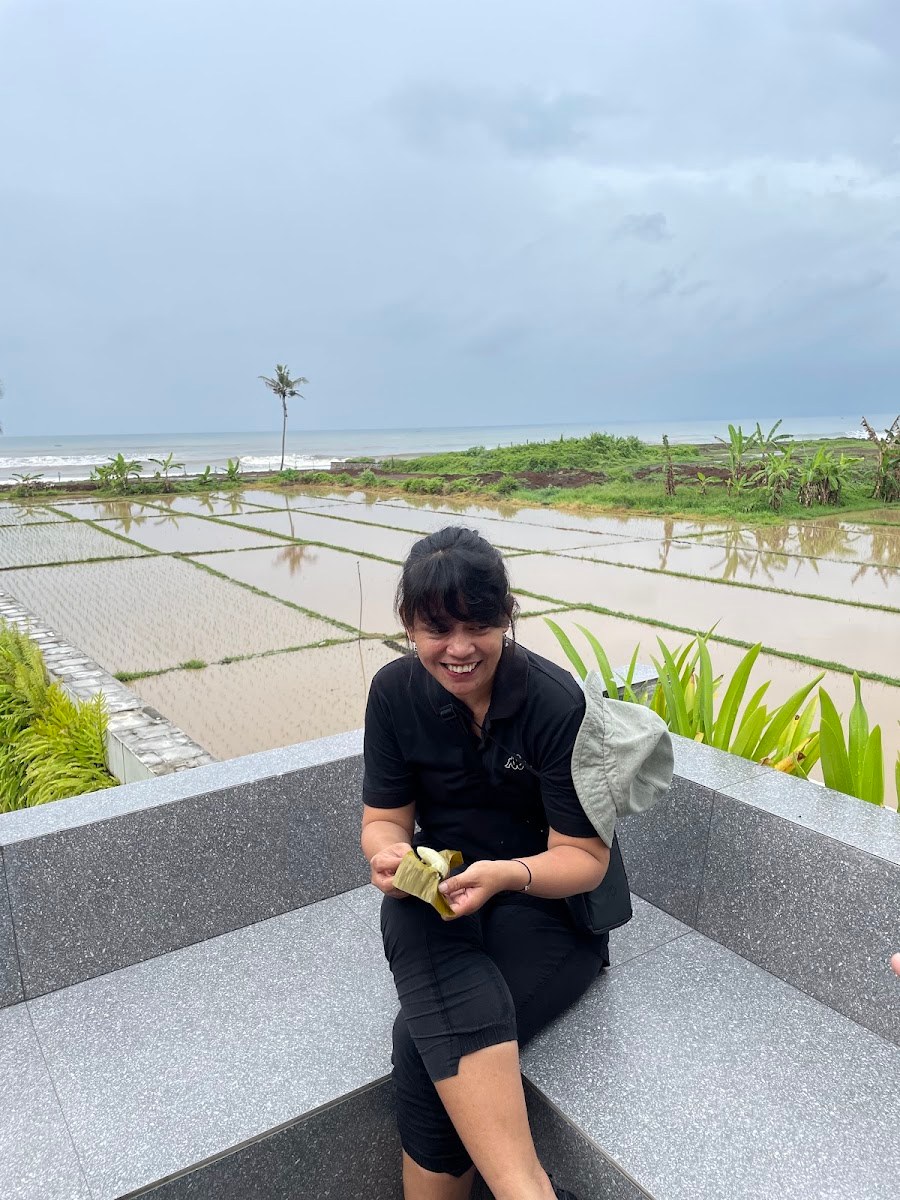
About the author
Mira
Founder of Mira Mi Bali Wedding. Working across Bali weddings since 2013 and intentionally taking a maximum of fifteen celebrations each year.
Meet Mira →