Quick Answer
Start a Bali destination wedding around 12 to 18 months ahead when date and vendor choice matter. Secure the planning relationship, guest estimate and venue first; then move through vendors, guest logistics, design, final confirmations and an on-island rehearsal.
When should you start?
Twelve months is a practical planning runway for many destination weddings. Start earlier if you want a specific high-demand date, venue or creative team, or if a large international guest list needs significant travel notice. A shorter timeline can work, but decisions need to be faster and availability will shape the options.
The order matters more than doing everything at once. Guest count, budget direction and venue conditions affect nearly every vendor decision that follows.
12–18 months: build the foundation
Define the celebration before selecting details. Discuss guest range, preferred month, ceremony type, overall budget direction and what you want the day to feel like.
- Engage your Bali wedding planner.
- Create a preliminary guest list and budget framework.
- Shortlist and inspect venues in person or by detailed video walkthrough.
- Check venue capacity, curfew, accommodation rules and weather backup.
- Confirm the date and issue save-the-dates for international guests.
9–12 months: secure the core team
Once the venue is confirmed, book the vendors whose availability shapes the day. Your planner should coordinate proposals so that timing, access and technical requirements agree.
- Photography and videography.
- Catering and beverage direction.
- Decoration and floral design.
- Entertainment, sound and lighting.
- Celebrant or ceremony arrangements.
- Initial guest accommodation and transport information.
6–9 months: design the guest experience
Move from broad inspiration into a coherent concept. The ceremony, dinner and evening should feel related without every detail matching.
- Approve the visual direction and priority installations.
- Develop the floor plan using a realistic guest estimate.
- Plan invitations or the wedding website.
- Share accommodation, airport and local transport guidance.
- Discuss dietary needs, accessibility and children.
- Outline welcome events, rehearsal dinner or recovery plans if required.
3–6 months: turn decisions into a plan
This is where design and logistics become specific. Confirm the menu, ceremony flow, music direction, rental quantities and key production details.
- Complete food tasting and hair or makeup trials where possible.
- Confirm attire logistics and ceremony participants.
- Draft the event rundown with all vendors.
- Review power, lighting, sound limits and weather contingencies.
- Collect guest RSVPs and transport requirements.
1–3 months: close the gaps
Final guest numbers affect catering, seating, stationery and transport. Avoid introducing a new visual direction now; focus on making the chosen plan complete.
- Finalise seating and dietary information.
- Confirm vendor balances and payment dates.
- Approve final floral quantities, signage and stationery.
- Share the working timeline with the venue and vendors.
- Prepare emergency contacts, speeches and important personal items.
The week before: confirm, rehearse, breathe
Mira Mi’s week-before service includes final coordination with the venue and suppliers, a final vendor meeting, and rehearsal support at the venue. Arrive with enough time to adjust to Bali and attend essential appointments without rushing.
- Complete the final venue walkthrough.
- Reconfirm weather decisions and backup setup timing.
- Run the ceremony rehearsal.
- Check guest transfers and arrival communications.
- Hand operational questions to the planning team.
Wedding day: one team, one point of contact
On the wedding day, the couple should not be resolving vendor calls. Mira Mi’s professional team is available from 7am to midnight, coordinating venue activity, suppliers, ceremony, reception, guest transport planning and weather adjustments.
A detailed timeline matters, but good coordination is also the ability to respond quietly when reality changes. That is why the final plan identifies decision-makers and responsibilities, not only times.
See Mira Mi planning scope and fee → · Use the venue inspection checklist → · See Tony and Melani’s Bali wedding → · Meet Mira →
Frequently Asked Questions
Questions couples ask.
How far in advance should we plan a Bali wedding?
Around 12 to 18 months gives couples a strong choice of dates, venues and vendors. Shorter timelines are possible when decisions are made quickly and availability remains flexible.
What should we book first?
Start with your planner, approximate guest count and budget direction, then confirm the venue and date before booking the core creative and production team.
When should destination wedding save-the-dates be sent?
International guests benefit from early notice. Many couples send them after the venue and date are secure, often around 9 to 12 months ahead.
When should we arrive in Bali before the wedding?
Allow enough time for a final walkthrough, meetings, trials and rehearsal without relying on a last-minute international arrival. The exact timing depends on your event schedule.
Who manages vendors on the wedding day?
With full planning and coordination, the planner becomes the operational point of contact so the couple and family are not managing supplier logistics.
About the author
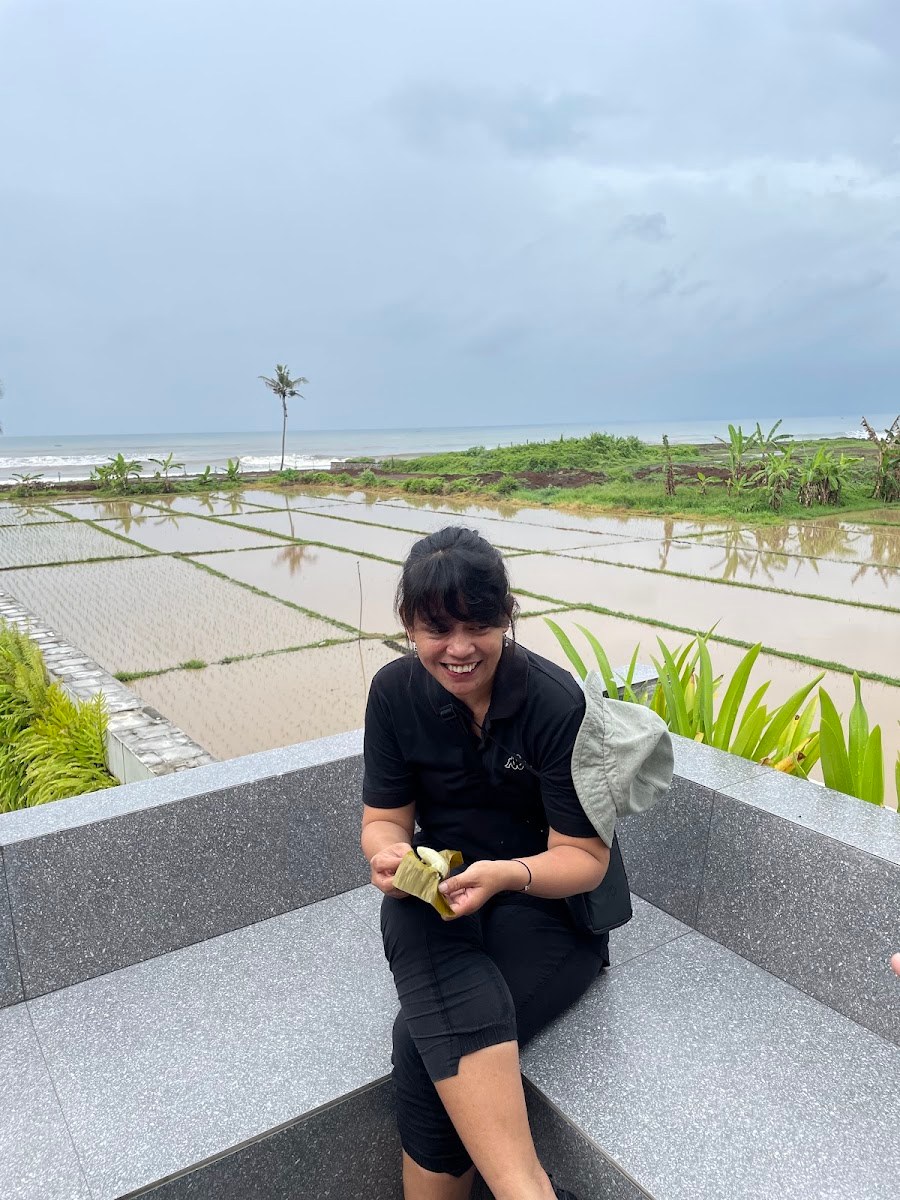
Mira
Founder of Mira Mi Bali Wedding. Working across Bali weddings since 2013 and intentionally taking a maximum of fifteen celebrations each year.
Meet Mira →